Investing in high-performance insulation is a smart move for homeowners and businesses alike. It's a proven path to significant energy savings, enhanced comfort, and a smaller environmental footprint. This comprehensive guide will explore the world of high-performance insulation, helping you make informed decisions to improve your building's efficiency and value.
Understanding High-Performance Insulation
High-performance insulation goes beyond simply keeping your home warm in winter and cool in summer. It's about creating a highly efficient building envelope that minimizes heat transfer, reduces energy consumption, and improves indoor air quality. Key factors include the insulation's R-value (a measure of thermal resistance), its ability to prevent thermal bridging (heat transfer through structural components), and its impact on air sealing, which minimizes drafts and air leakage. Choosing the right insulation material considering factors like R-value, moisture control, and fire resistance is crucial for maximizing performance and ensuring a long lifespan. Achieving optimal thermal performance requires careful consideration of the building's construction and climate.
Benefits of Using High-Performance Insulation
The advantages of investing in high-performance insulation extend far beyond initial cost savings. Energy efficiency improvements lead to lower utility bills, a significant reduction in your carbon footprint contributing to sustainable building practices, and enhanced indoor comfort levels. Improved climate control minimizes temperature fluctuations, leading to a more consistent and comfortable living environment. By minimizing heat loss and cold bridging, high-performance insulation contributes to better indoor air quality and reduced condensation, protecting the building's structure from potential damage. Ultimately, this translates to a healthier, more comfortable, and more valuable property. The long-term cost savings far outweigh the initial investment.
Improving Energy Efficiency with Insulation
High-performance insulation is a cornerstone of energy conservation. By dramatically reducing heat loss in winter and heat gain in summer, it minimizes the workload on your heating and cooling systems. This leads to lower energy consumption, resulting in substantial cost savings on your utility bills, and reduces your reliance on fossil fuels contributing to net-zero energy goals. Proper insulation, combined with effective air sealing and weatherization techniques, creates a tightly sealed building envelope that prevents drafts and air infiltration, further enhancing energy efficiency. This integrated approach optimizes thermal performance and ensures a significant reduction in your overall energy footprint.
Types of High-Performance Insulation Materials
Several high-performance insulation materials are available, each with its own set of strengths and weaknesses. Selecting the best option depends on factors such as the application (attic, walls, floors), budget, and environmental considerations.
Spray Foam Insulation
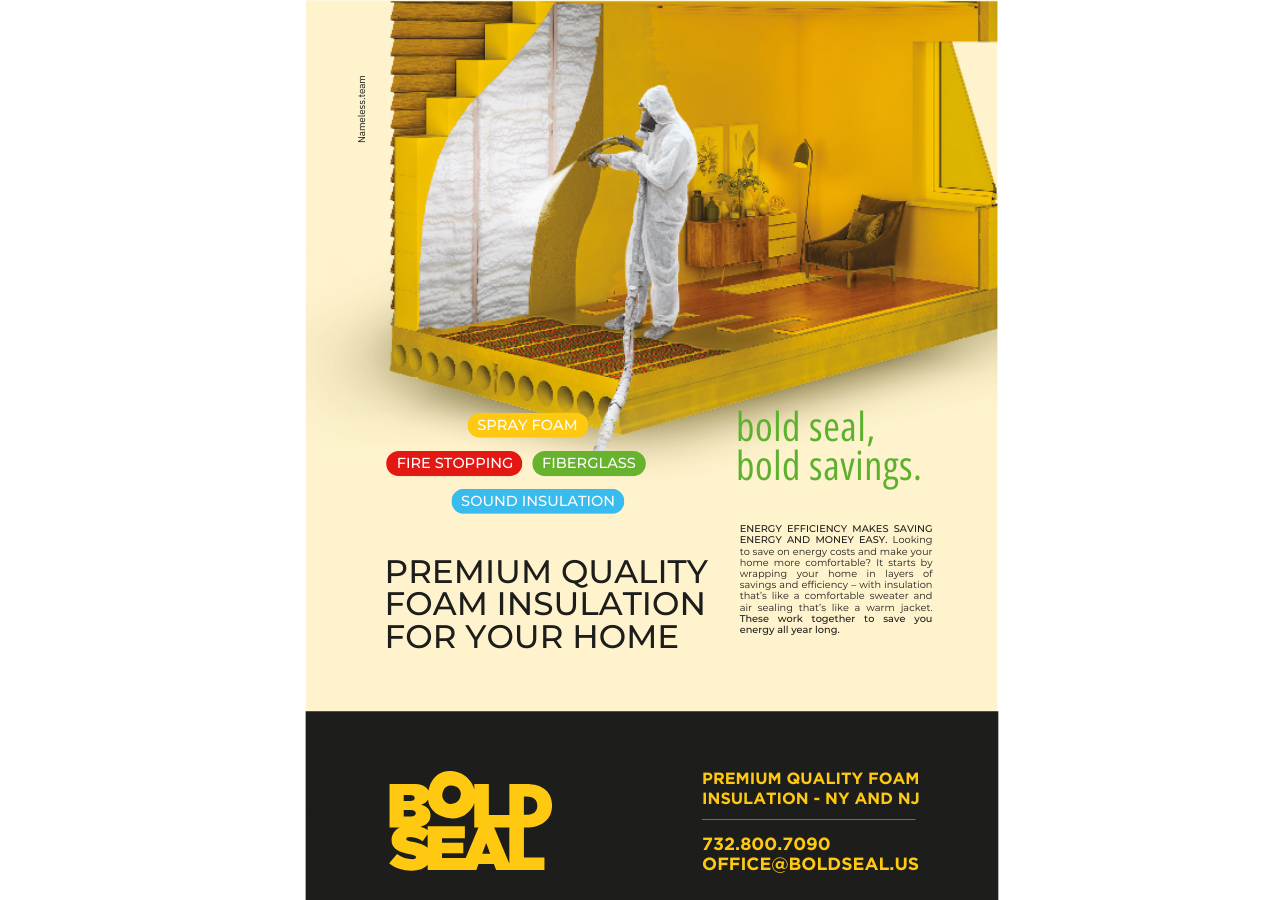
Spray foam insulation is known for its exceptional thermal performance and air-sealing capabilities. It expands to fill all gaps and crevices, eliminating thermal bridging and creating a continuous vapor barrier that prevents moisture intrusion. Its high R-value provides superior insulation, leading to significant energy savings. Spray foam also offers excellent sound insulation, enhancing the quietness of your home. However, it's typically more expensive than other options and requires professional installation.
Fiberglass Insulation
Fiberglass insulation is a widely used and cost-effective option, offering good thermal resistance and fire resistance. It's readily available, easy to install (for DIY projects), and provides decent sound insulation. While it doesn't offer the same air-sealing capabilities as spray foam, it remains a popular choice for attics and wall cavities. The versatility of fiberglass insulation makes it suitable for various applications in both home and commercial construction.
Cellulose Insulation
Cellulose insulation, often made from recycled paper, is an eco-friendly and sustainable alternative. It provides excellent thermal performance and sound insulation, and its loose-fill nature allows it to conform to irregular spaces effectively. Its fire-retardant properties enhance safety, and its recycled content aligns with green building practices. Cellulose insulation is a cost-effective and environmentally conscious choice for homeowners committed to sustainable construction.

Installation Considerations for High-Performance Insulation
Proper installation is critical to realizing the full benefits of high-performance insulation. Air sealing is just as important as the insulation itself; gaps and cracks can negate much of the insulation's effectiveness. Following building codes and using appropriate installation techniques ensures optimal thermal performance. For complex projects or https://monmouth-county-nj-08753-n-j-2-1-8.theglensecret.com/how-much-does-home-insulation-cost-in-2025 large-scale installations, it's best to engage qualified insulation contractors who have the expertise and experience to handle the job correctly. Improper installation can lead to reduced energy efficiency, moisture problems, and potentially costly repairs. Using experienced professionals prevents mistakes and guarantees long-term value.
Comparing Insulation Options
Choosing the right insulation involves weighing several factors. A comparison of spray foam versus fiberglass, for example, highlights the trade-off between cost and performance. Spray foam offers superior air sealing and thermal performance but comes with a higher price tag and necessitates professional installation. Fiberglass provides good insulation at a lower cost, and its ease of installation makes it suitable for DIY projects. Ultimately, the best choice depends on your budget, project requirements, and desired level of energy efficiency.
Sustainable Building Practices and High-Performance Insulation
High-performance insulation plays a vital role in sustainable building practices. By reducing energy consumption and minimizing environmental impact, it contributes to the creation of green buildings and passive houses. The use of eco-friendly insulation materials like cellulose further enhances the sustainability of construction projects. The pursuit of net-zero energy homes is heavily reliant on effective thermal performance offered by high-performance insulation systems.
Common Questions About High-Performance Insulation
Many homeowners have questions about insulation testing, thermal resistance, and condensation control. Understanding R-values and how they relate to insulation thickness is crucial for making informed decisions. Addressing concerns about moisture and condensation is also vital to prevent long-term problems. Consult with professionals to ensure your chosen insulation adequately meets the climate and construction requirements of your project.
Future Trends in Insulation Technology
The field of insulation technology is constantly evolving. Innovations in material science and building science are driving the development of new, high-performance insulation materials with enhanced thermal properties and environmental benefits. Research into renewable energy sources and innovative insulation solutions will continue to shape the future of energy-efficient buildings.
The Impact of Insulation on Indoor Air Quality
High-performance insulation significantly impacts indoor air quality. By creating a more airtight building envelope, it prevents the infiltration of outdoor pollutants, allergens, and moisture. Properly installed insulation prevents moisture buildup, reducing the risk of mold and mildew growth, further promoting a healthy living environment. Controlling humidity with proper insulation contributes to better indoor air quality and improves overall health.

Conclusion:
High-performance insulation is a crucial element for energy efficiency, reduced costs, increased comfort, and a sustainable future. By carefully considering the available options, their properties, and the specific needs of your project, you can make an informed choice that enhances the value and performance of your building. Contact a qualified insulation professional today for a consultation and take the first step towards a more energy-efficient and comfortable living space!